


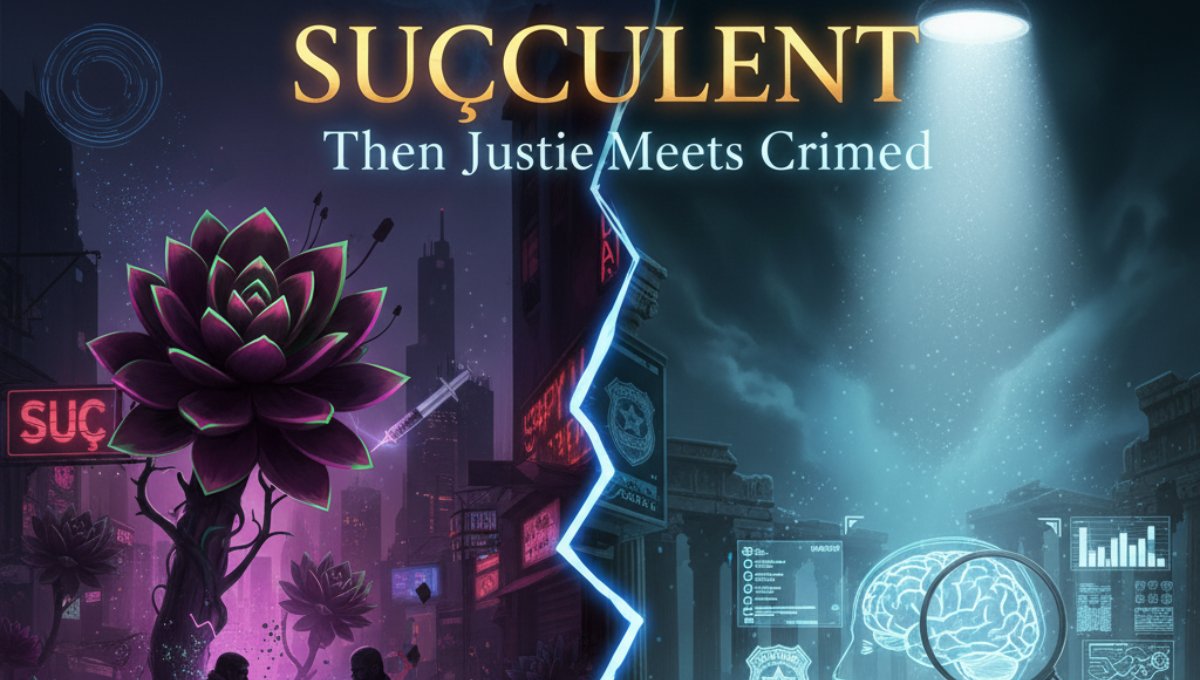
In a world where the glittering surface often conceals a shadowy underbelly, the concept of crime and its intricate web of motives, methods, and consequences continue to fascinate and horrify society. Among the many tales and narratives that explore this dark realm, “Suçculent: The Dark Side Unveiled” delves deep into the hidden world of crime, peeling back layers of deception, power struggles, and human psyche to reveal truths that are often obscured by sensationalism and media sensationalism.
The Origin of Suçculent: A Brief Historical Perspective
The term “Suçculent” is a neologism that combines the Turkish word “suç” (meaning “crime”) with a suffix that evokes a sense of complexity or even a mysterious entity. Over time, the word has come to symbolize the multifaceted nature of criminal enterprises, encompassing everything from petty thefts to sophisticated organized crime syndicates.
Historically, crime has been an integral part of human societies. From ancient civilizations where theft, smuggling, and political intrigue shaped the course of history, to modern-day cybercrime and financial fraud, the evolution of crime reflects the changing dynamics of human civilization. Suçculent encapsulates this evolution, representing not just criminal acts but also the societal, psychological, and systemic factors that foster such activities.
The Anatomy of Crime: Unmasking the Shadows
At its core, “Suçculent” symbolizes the hidden mechanisms that sustain criminal activities. These include:
- Organized Crime Networks: These are highly structured groups involved in drug trafficking, arms smuggling, human trafficking, and more. They operate with military precision, often infiltrating legitimate institutions to sustain their operations.
- Corruption and Power: Crime often intertwines with political corruption, where officials, law enforcement, and business leaders facilitate illegal activities for personal gain or ideological reasons.
- Cybercrime: With technological advancements, the digital realm has become a new battleground. Cybercriminals exploit vulnerabilities in systems to steal identities, financial information, and disrupt vital services.
- Psychological Underpinnings: The motivations behind criminal behavior are complex, ranging from economic deprivation and social marginalization to psychological disorders and a desire for power.
The Human Face of Crime
While media often sensationalizes crime, at the heart of Suçculent are human stories—both of victims and perpetrators. Understanding these stories helps demystify the stereotypes surrounding criminals.
- The Victims: Often overlooked, victims of crime suffer long-lasting trauma, financial loss, and social stigmatization. Their stories serve as a reminder of the human cost behind each criminal act.
- The Perpetrators: Many criminals are driven by circumstances beyond their control—poverty, lack of education, or coercion. Others are motivated by greed, revenge, or ideological extremism. Profiling these individuals provides insights into the roots of criminal behavior.
The Fight Against the Dark Side
Counteracting the darkness of Suçculent requires a multifaceted approach:
- Law Enforcement: Modern police agencies employ advanced technology, intelligence gathering, and international cooperation to dismantle criminal networks.
- Legislation: Strong legal frameworks and strict penalties act as deterrents, although they are not foolproof.
- Socioeconomic Development: Addressing root causes like poverty, lack of education, and social inequality reduces the fertile ground for crime to thrive.
- Public Awareness and Education: Informing communities about crime prevention and fostering resilience is crucial.
The Role of Media and Popular Culture
Media plays a dual role—both exposing the dark side of society and sometimes glamorizing it. Movies, television series, and books often romanticize criminals, creating a mythos around “Suçculent” that can distort reality.
It is essential for media outlets to strike a balance—reporting truthfully while avoiding sensationalism that can perpetuate stereotypes and inadvertently glorify criminal acts.
The Future of Crime and the Unveiling of the Dark Side
As technology advances, so do criminal tactics. Cybercriminals develop new methods, such as deepfakes and AI-driven scams, making the battle against “Suçculent” more complex. Conversely, innovations like blockchain, big data analytics, and international cooperation offer new tools for law enforcement.
The ongoing challenge is to stay ahead of these evolving threats while addressing the societal issues that underpin criminal activity.
Conclusion: Toward a Safer Society
“Suçculent: The Dark Side Unveiled” is not just an exploration of crime but a mirror reflecting societal vulnerabilities and human nature’s darker facets. Understanding this shadowy realm is the first step toward mitigation and prevention. Society must continue to invest in education, justice, and social development, fostering resilience against the forces that threaten peace and stability.
By shedding light on the dark side, we empower ourselves to build a safer, more just world—one where the shadows of “Suçculent” are gradually diminished, and transparency, justice, and human dignity shine brighter than ever.
