


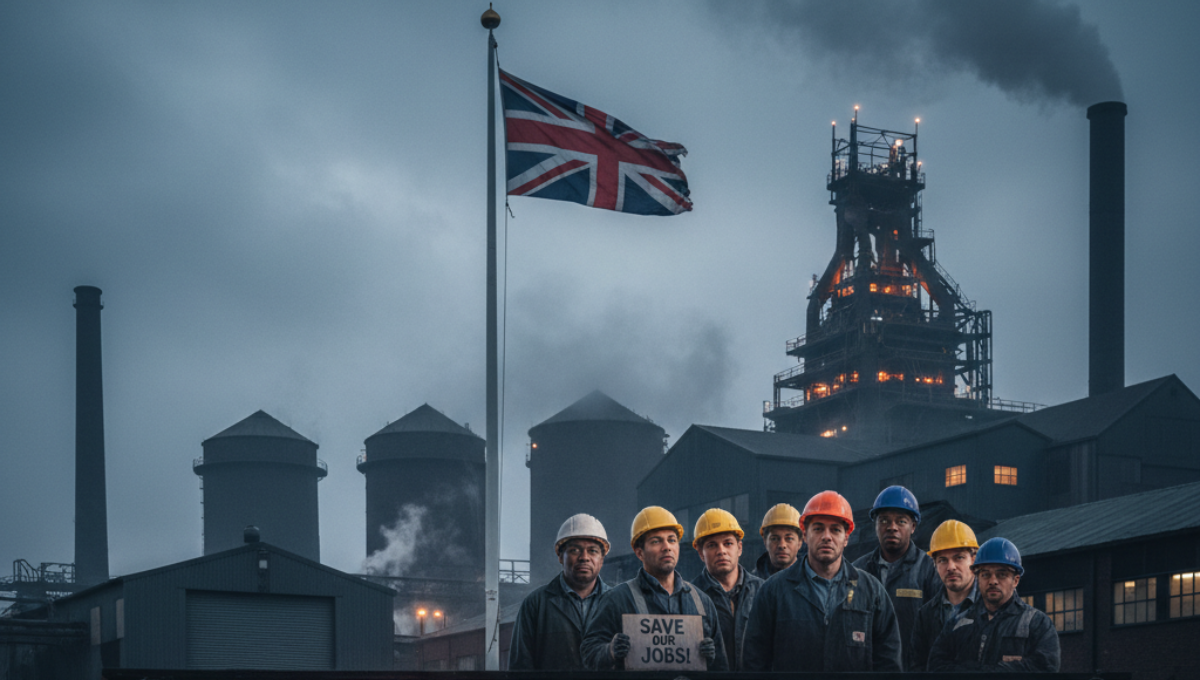
The United Kingdom’s steel industry, historically a cornerstone of the nation’s industrial might, is currently experiencing a period of unprecedented turmoil. This upheaval is driven by complex factors, notably recent import tariffs, global trade tensions, and shifting economic policies. The consequences are far-reaching, affecting thousands of jobs, local businesses—including small vendors and eateries—and the broader economic landscape. This article delves into the roots of the crisis, its implications, and what it means for the future of the UK’s steel sector and its communities.
The Roots of the Turmoil
The UK steel industry has long been grappling with challenges such as international competition, high operational costs, and environmental regulations. However, recent developments have deepened the crisis: the government’s imposition of import tariffs intended to protect domestic producers has sparked a heated debate.
These tariffs, aimed at curbing cheap imports from countries with subsidized steel industries, have had unintended consequences. While they initially provided some relief to UK steel producers, they also led to retaliatory measures from trade partners and increased costs for industries reliant on steel, such as construction, manufacturing, and automotive sectors.
Furthermore, global economic uncertainties—exacerbated by geopolitical tensions and disruptions caused by the COVID-19 pandemic—have contributed to the instability. The combination of these factors has created a perfect storm threatening the very fabric of the UK steel industry.
Impact on Jobs: A Growing Crisis
One of the most immediate and visible effects of the current turmoil is job insecurity. The steel sector is a significant employer, particularly in regions like South Wales, Yorkshire, and the North East, where steelworks are often among the largest employers.
Recent reports indicate that several steel plants have reduced production or announced layoffs. For example, some mills have been forced to operate at reduced capacity, leading to temporary or permanent redundancies. According to industry estimates, thousands of jobs—ranging from skilled steelworkers to administrative staff—are at risk.
The threat extends beyond directly employed workers. Small businesses that supply materials, provide services, or operate nearby steel plants are also feeling the pinch. These include local contractors, transportation companies, and even small eateries and kebab shops that rely on the influx of workers for their daily trade.
The Ripple Effect on Small Businesses and Local Communities
Small businesses form the backbone of many UK communities, and their sustainability is often intertwined with the health of local industries. The current crisis has led to a decline in customer footfall, reduced orders, and financial strain.
Take, for example, kebab shops and cafes situated near steelworks or industrial zones. These small vendors depend heavily on the workforce’s patronage. As layoffs or reduced working hours take hold, these businesses face declining revenues, threatening closures and job losses of their own.
Moreover, the economic uncertainty hampers local economic growth, discourages investment, and fuels community anxieties. Small entrepreneurs, already operating on thin margins, find it increasingly difficult to navigate this turbulent environment.
Broader Economic and Political Implications
The turmoil within the UK steel sector also has broader implications for the national economy. Steel is a foundational industry that supports infrastructure projects, manufacturing, and export efforts. Disruptions here can ripple across supply chains, inflate costs, and delay critical projects.
Politically, the issue has become a contentious point. Some policymakers argue that tariffs are necessary to protect domestic industries, while others warn they risk escalating trade conflicts and harming consumers and businesses reliant on affordable steel imports.
The government faces a delicate balancing act: safeguarding jobs and industries without provoking retaliatory measures or inflationary pressures.
- The Path Forward: Challenges and Opportunities
Addressing the current crisis requires multifaceted strategies:
- Government Intervention: Policymakers must consider targeted support for struggling steel companies, retraining programs for displaced workers, and measures to stabilize supply chains.
- Industry Innovation: Investing in technological advancements and greener steel production methods can improve competitiveness and environmental sustainability.
- Diversification: Communities heavily dependent on steel should explore economic diversification, fostering new industries and skills to reduce vulnerability.
- International Cooperation: Engaging in diplomatic efforts to resolve trade tensions and negotiate fairer tariffs can help create a more stable trading environment.
Conclusion
The turmoil in the UK steel sector underscores the fragility of traditional industries in a rapidly changing global economy. The impact on jobs and small businesses highlights the human side of economic policies and trade disputes. While challenges abound, this period also presents opportunities for innovation, diversification, and resilient community development. The future of the UK’s steel industry—and the well-being of its workers and small businesses—depends on a concerted effort by government, industry stakeholders, and communities to navigate these turbulent times wisely.
