


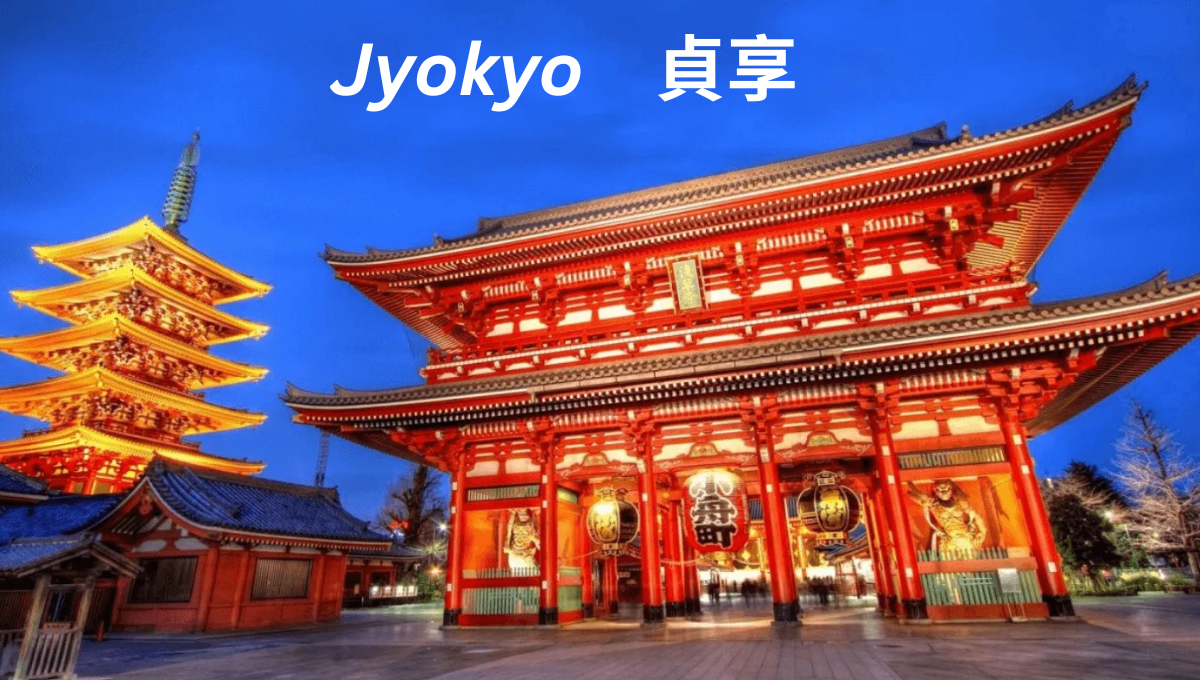
In a world overflowing with philosophies and teachings aimed at personal growth, Japan stands out with its profound and often understated wisdom. One such concept gaining recognition beyond its borders is Jyokyo — a powerful Japanese idea that is quietly transforming lives through its deep-rooted principles of resilience, humility, and authentic strength. This article explores the essence of Jyokyo, its origins, significance, and how embracing this philosophy can inspire positive change in modern life.
The Origins and Meaning of Jyokyo
The term Jyokyo (情況) in Japanese loosely translates to “situation” or “circumstance,” but its deeper philosophical meaning extends far beyond mere conditions. Historically, Jyokyo embodies the understanding that life is a series of ever-changing circumstances, and our response to these situations defines our character and destiny.
In traditional Japanese thought, especially within bushido (the samurai code) and Zen philosophies, adaptability, humility, and resilience are essential traits. Jyokyo encapsulates these virtues, emphasizing the importance of perceiving life’s challenges not as obstacles but as opportunities for growth.
The Core Principles of Jyokyo
At its heart, Jyokyo revolves around several core principles that can guide individuals toward a more fulfilled and resilient existence:
1. Acceptance of Reality
Jyokyo teaches the importance of accepting life’s circumstances without denial or resistance. Recognizing the reality of a situation allows for clearer judgment and more effective action, fostering mental clarity and emotional stability.
2. Flexibility and Adaptability
Life is unpredictable, and Jyokyo emphasizes adapting gracefully to changing circumstances. This flexibility helps individuals navigate difficulties with resilience rather than despair.
3. Humility and Self-awareness
A key aspect of Jyokyo is humility—acknowledging one’s limitations and understanding that circumstances are often beyond individual control. This humility fosters compassion, patience, and a willingness to learn.
4. Inner Strength and Resilience
While accepting reality, Jyokyo encourages cultivating inner strength to face challenges head-on. Resilience becomes not just enduring hardship but transforming it into a catalyst for growth.
5. Mindfulness and Presence
Practicing mindfulness—being fully present in each moment—aligns with Jyokyo’s emphasis on perceiving situations clearly and responding thoughtfully rather than reactively.
How Jyokyo Is Transforming Lives Today
In contemporary society, where stress, uncertainty, and rapid change are constants, Jyokyo offers a timeless blueprint for resilience and personal empowerment. Here are some ways this concept is making a difference:
1. Personal Growth and Mental Health
By embracing Jyokyo, individuals learn to accept their current circumstances without judgment, reducing anxiety and depression. This acceptance fosters a mindset of growth, allowing people to see setbacks as opportunities rather than failures.
2. Leadership and Business
Leaders who adopt Jyokyo principles tend to be more adaptable, humble, and empathetic. Companies that cultivate such values foster healthier workplaces, encouraging innovation and resilience during turbulent times.
3. Relationships and Community
Practicing Jyokyo enhances empathy and patience in personal relationships. Recognizing that everyone faces their own circumstances leads to greater compassion and stronger bonds.
4. Spiritual and Personal Fulfillment
Jyokyo aligns with spiritual practices such as Zen meditation, promoting mindfulness and inner peace. It encourages individuals to live authentically, embracing life’s ebb and flow with grace.
Practical Ways to Incorporate Jyokyo Into Daily Life
Transforming theory into practice is key to experiencing the benefits of Jyokyo. Here are actionable steps:
- Practice Acceptance: When faced with challenges, pause and acknowledge the situation without resistance. Ask yourself, “What can I learn from this?”
- Cultivate Flexibility: Be open to changing your plans or perspectives. Adaptability is a strength, not a sign of weakness.
- Develop Self-awareness: Reflect regularly on your reactions and biases. Humility opens the door to growth.
- Build Resilience: Engage in activities like meditation, journaling, or physical exercise that strengthen your mental and emotional resilience.
- Stay Present: Incorporate mindfulness practices into your daily routine to stay grounded in the moment.
The Broader Impact of Jyokyo
Beyond individual benefits, Jyokyo embodies a collective ethos that can inspire societal change. As communities and organizations adopt these principles, they become more resilient, compassionate, and adaptive—qualities essential for addressing global challenges such as climate change, social inequality, and technological upheaval.
Conclusion
Jyokyo is more than just a Japanese concept; it is a timeless philosophy that offers a pathway to personal and collective transformation. By embracing acceptance, humility, adaptability, and resilience, individuals can navigate life’s inevitable challenges with grace and strength. In doing so, Jyokyo has the potential to inspire a more compassionate, resilient, and harmonious world—one life at a time.
