


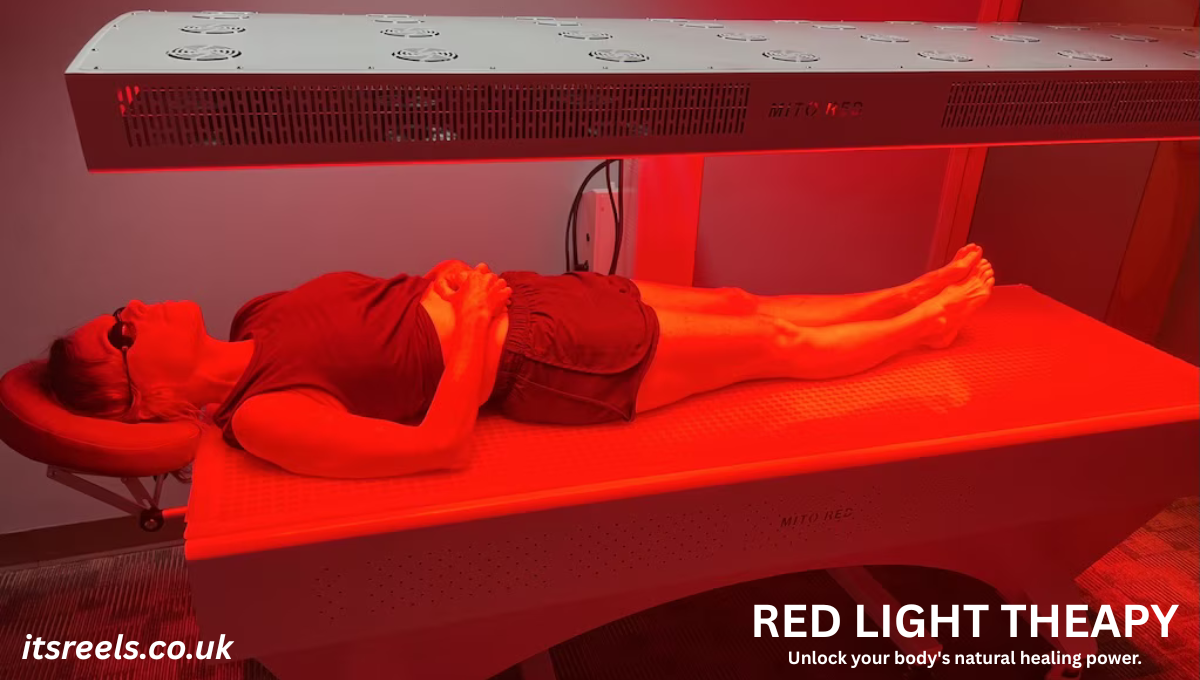
In recent years, red light therapy (RLT) has gained immense popularity as a natural, non-invasive treatment option for a variety of health concerns. From skin rejuvenation to pain relief, this innovative therapy harnesses the power of specific wavelengths of light to stimulate cellular function. But what exactly is Red Light Therapy, how does it work, and how can you choose the right device for your needs? This comprehensive guide aims to answer these questions and more.
What Is Red Light Therapy?
Red light therapy is a treatment that exposes the skin to low levels of red or near-infrared light. Unlike ultraviolet (UV) rays from the sun, which can damage the skin, red light is safe and penetrates deeply into tissues without causing harm. This light activates cellular processes, promoting healing, reducing inflammation, and enhancing overall skin health.
The therapy is also known as low-level laser therapy (LLLT) or photobiomodulation. It has been used in medical settings for decades to treat a range of conditions, including wound healing, joint pain, and even neurological disorders. Today, it is increasingly popular in the realm of at-home wellness devices.
How Does Red Light Therapy Work?
The core mechanism behind red light therapy involves stimulating the mitochondria—the energy powerhouses within our cells. When exposed to specific wavelengths of red or near-infrared light (typically between 600-900 nm), mitochondria produce more adenosine triphosphate (ATP), the molecule that supplies energy for cellular functions.
This boost in cellular energy promotes various beneficial effects:
- Enhanced cellular repair and regeneration
- Reduced inflammation and swelling
- Increased collagen production, improving skin elasticity
- Improved circulation
- Pain relief through decreased nerve sensitivity
Because of these effects, red light therapy can aid in healing injuries, reducing signs of aging, alleviating chronic pain, and supporting overall wellness.
Key Benefits of Red Light Therapy
1. Skin Rejuvenation and Anti-Aging
Red light stimulates collagen synthesis, which diminishes with age. Regular treatments can reduce fine lines, wrinkles, and age spots, resulting in smoother, firmer skin.
2. Wound Healing and Tissue Repair
Studies have demonstrated accelerated healing of cuts, burns, and surgical wounds. The therapy enhances blood flow and cellular activity, promoting faster recovery.
3. Pain Relief and Inflammation Reduction
Chronic conditions like arthritis, muscle soreness, and joint pain can benefit from RLT by decreasing inflammation and alleviating discomfort.
4. Hair Growth Support
Some research suggests that red light therapy can stimulate hair follicles, making it a potential treatment for androgenetic alopecia (pattern baldness).
5. Improved Athletic Performance
Athletes use RLT to reduce recovery time, enhance muscle performance, and decrease soreness post-exercise.
6. Mental Health and Mood Enhancement
Emerging evidence indicates that near-infrared light may support brain health, improving mood and cognitive function when used with targeted devices.
Choosing the Right Red Light Therapy Device
With a growing market of at-home devices, selecting the right RLT device can be overwhelming. Here are essential tips to guide your decision:
1. Wavelength and Light Type
- Red Light (600-700 nm): Penetrates superficial layers, ideal for skin and surface healing.
- Near-Infrared Light (700-900 nm): Deeper penetration, suitable for joint and muscle pain, and internal tissue benefits.
Choose a device that offers the appropriate wavelengths for your specific goals.
2. Power Density and Output
Power density, measured in milliwatts per square centimeter (mW/cm²), determines the intensity of light delivered. Higher output allows shorter treatment times.
- Optimal range: 20-60 mW/cm² for at-home devices.
- Ensure the device provides sufficient energy delivery without exceeding safety limits.
3. Treatment Area and Size
Devices come in various sizes—from small handheld units to large panels.
- Small devices: Good for targeted areas like the face or specific joints.
- Larger panels: Suitable for whole-body treatments or multiple areas simultaneously.
Consider your intended use and space availability.
4. Safety Features and Certifications
Ensure the device complies with safety standards, such as FDA approval or CE marking. Look for features like eye protection, automatic shut-off, and sturdy construction.
5. Ease of Use and Portability
Ease of operation, adjustable settings, and portability can enhance your experience. Choose a device that fits your lifestyle and comfort.
6. Budget and Longevity
Prices vary widely. While premium devices may offer higher power and durability, there are effective options at lower costs. Consider the device’s lifespan, warranty, and customer reviews.
Precautions and Safety Tips
While red light therapy is generally safe, follow these guidelines:
- Avoid direct eye exposure: Use protective goggles if recommended.
- Follow manufacturer instructions: Adhere to recommended treatment times and distances.
- Consult a healthcare professional: Especially if you have underlying health conditions or are pregnant.
- Avoid overuse: Excessive exposure does not necessarily increase benefits and may cause minor side effects like skin irritation.
Final Thoughts
Red light therapy represents a promising, versatile tool for enhancing health, beauty, and recovery. Its non-invasive nature and broad range of applications make it accessible to anyone seeking natural wellness solutions. By understanding the science behind RLT and carefully selecting the right device, you can harness the power of light to improve your quality of life.
Remember, while at-home devices are convenient, consulting with healthcare professionals can help tailor treatments to your specific needs and ensure safe, effective use.
