


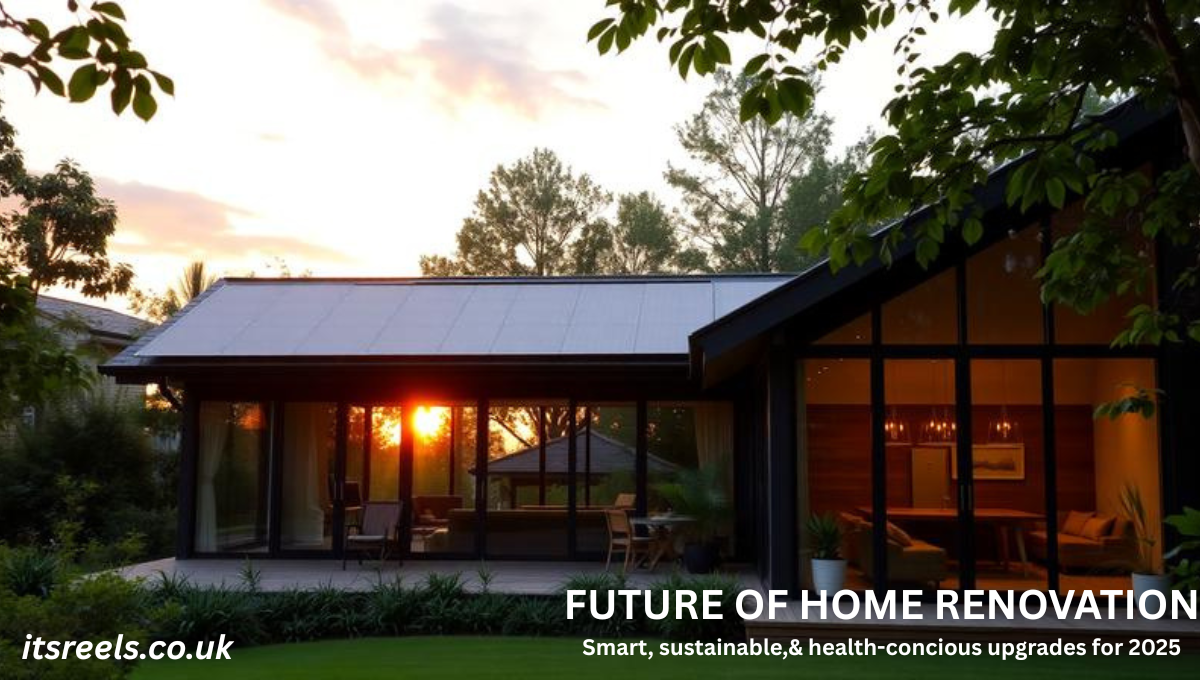
As we step into 2025, homeowners are increasingly seeking renovations that do more than just improve aesthetics—they want smart, sustainable, and health-conscious upgrades that enhance their quality of life and boost property value. The future of home renovation is rooted in innovation, eco-friendliness, and wellness-focused features. This article explores seven transformative upgrades that can elevate your home’s brightness, promote better health, and increase its market value.
1. Embrace Advanced Natural Lighting Solutions
Why It Matters: Bright, natural light has proven benefits for mental health, productivity, and overall well-being. It also reduces dependence on artificial lighting, leading to energy savings.
Smart Renovation Tips:
- Skylight Installations: Incorporate energy-efficient skylights with smart tinting that adjusts transparency based on sunlight intensity.
- Large, Energy-Efficient Windows: Upgrade to triple-glazed, low-emissivity windows that maximize daylight while minimizing heat loss.
- Light-Reflecting Surfaces: Use reflective paints, ceilings, and flooring to amplify natural light throughout the space.
- Automated Window Treatments: Install motorized blinds or shades that adjust throughout the day to optimize light levels and privacy.
Future Trend: Incorporating circadian lighting systems that mimic natural daylight patterns can further enhance health and sleep quality, making your home a sanctuary of wellness.
2. Integrate Smart Indoor Air Quality Systems
Why It Matters: Indoor air quality directly impacts respiratory health, allergies, and overall vitality. With more people spending time indoors, ensuring clean air is crucial.
Smart Renovation Tips:
- Air Purification Systems: Install HEPA and activated carbon filters connected to smart home systems for real-time air quality monitoring and automatic adjustments.
- Ventilation Upgrades: Upgrade to energy recovery ventilators (ERVs) or heat recovery ventilators (HRVs) that exchange stale indoor air with fresh outdoor air efficiently.
- Humidity Control: Implement smart humidifiers and dehumidifiers to maintain optimal humidity levels, preventing mold and dust mites.
Future Trend: Using IoT-enabled sensors that continuously monitor pollutants, VOCs, and allergens will help maintain a healthy environment effortlessly.
3. Renovate with Eco-Friendly and Non-Toxic Materials
Why It Matters: Green materials reduce your home’s environmental footprint and contribute to healthier indoor spaces by minimizing volatile organic compounds (VOCs).
Smart Renovation Tips:
- Sustainable Flooring: Opt for bamboo, cork, or reclaimed wood, which are durable and renewable.
- Low-VOC Paints and Finishes: Use paints and sealants that emit minimal fumes.
- Non-Toxic Cabinets and Countertops: Choose materials like recycled glass, concrete, or natural stone with low chemical treatments.
- Eco-Conscious Insulation: Incorporate cellulose, sheep’s wool, or spray foam that is environmentally friendly and offers superior thermal performance.
Future Trend: Certification programs like LEED or WELL provide guidance on eco-friendly building practices that also enhance home value and appeal.
4. Install Smart Energy Systems and Solar Solutions
Why It Matters: Reducing energy consumption lowers utility bills and carbon footprint, aligning with global efforts toward sustainability.
Smart Renovation Tips:
- Solar Panels and Solar Tiles: Invest in high-efficiency photovoltaic systems that can be integrated with home batteries for stored energy.
- Smart Thermostats: Use AI-powered thermostats that learn your habits to optimize heating and cooling.
- Energy Monitoring: Install smart meters and energy management systems that provide real-time data on consumption, helping identify savings opportunities.
- Battery Storage: Incorporate home batteries like Tesla Powerwall to store excess solar energy for backup and off-peak use.
Future Trend: Dynamic energy management systems that seamlessly coordinate with grid demands and renewable sources will become standard.
5. Upgrade to Wellness-Focused Bathroom and Kitchen Spaces
Why It Matters: These are the most used areas for daily health and relaxation, making them prime candidates for wellness-oriented renovations.
Smart Renovation Tips:
- Touchless Fixtures: Install motion-activated faucets, toilets, and soap dispensers to reduce germ spread and improve hygiene.
- Water Filtration Systems: Integrate advanced filtration and UV sterilization for drinking and bathing water.
- Air Purifying Ventilation: Use smart exhaust fans with air purification to eliminate moisture and pollutants.
- Ergonomic and Non-Toxic Materials: Choose low-emission cabinetry, countertops, and flooring designed for comfort and safety.
Future Trend: Incorporating aromatherapy, chromotherapy, and sound systems can turn bathrooms and kitchens into holistic wellness retreats.
6. Incorporate Modular and Flexible Living Spaces
Why It Matters: As lifestyles evolve, homes need to adapt without costly renovations—flexible spaces promote functional living and increase resale appeal.
Smart Renovation Tips:
- Movable Walls and Partitions: Use smart glass or lightweight partitions to reconfigure rooms as needed.
- Convertible Furniture: Invest in Murphy beds, fold-away desks, and multi-purpose furniture that maximizes space utilization.
- Smart Storage Solutions: Integrate automated storage that declutters and maintains a clean, healthful environment.
- Tech-Integrated Zones: Design areas with built-in charging stations, soundproofing, and climate controls for versatile use.
Future Trend: AI-driven home automation systems that adapt spaces based on daily routines will enhance comfort and efficiency.
7. Focus on Exterior and Landscape Upgrades
Why It Matters: The outdoor environment influences mental health, physical activity, and property value.
Smart Renovation Tips:
- Permeable Pavements and Green Roofs: Reduce runoff, improve insulation, and promote biodiversity.
- Smart Irrigation: Use weather-based sprinkler systems that conserve water and ensure healthy landscaping.
- Outdoor Lighting: Incorporate solar-powered, motion-activated lighting that enhances safety and ambiance.
- Home Gardens and Edible Landscapes: Cultivate organic vegetable and herb gardens for fresh produce and mental well-being.
Future Trend: Integrating outdoor smart home systems that control lighting, irrigation, and security via centralized apps will create seamless outdoor living experiences.
Conclusion
The renovations of 2025 are about more than aesthetics—they embody a holistic approach to creating healthier, smarter, and more sustainable homes. By embracing advanced natural lighting, indoor air quality systems, eco-friendly materials, renewable energy, wellness-focused spaces, flexible designs, and eco-conscious landscapes, homeowners can significantly elevate their living experience and property value.
Investing in these key upgrades not only prepares your home for the future but also ensures it remains a sanctuary of health, comfort, and efficiency. As technology continues to evolve, the homes of tomorrow will be smarter, greener, and more attuned to our well-being—making 2025 the perfect year to start your transformative renovation journey.
