


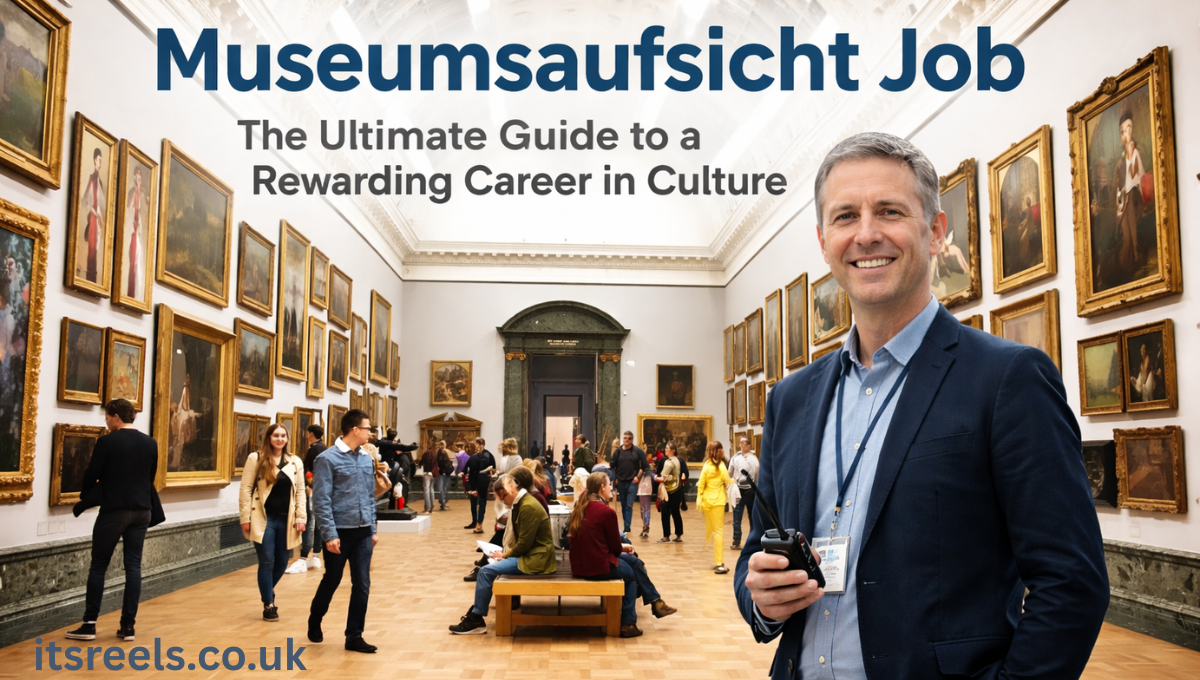
A Museumsaufsicht, often translated as a Museum Supervisor or Museum Attendant, plays a vital role in the seamless operation and preservation of cultural, historical, or artistic institutions. These professionals are the backbone of museums, ensuring that visitors have a safe, engaging, and educational experience while safeguarding the integrity of the collections. If you are considering a career as a Museumsaufsicht, understanding the job requirements and daily tasks is essential to prepare for this rewarding profession.
What is a Museumsaufsicht?
A Museumsaufsicht is responsible for overseeing visitors and ensuring the smooth running of museum operations. Their duties extend beyond mere supervision; they act as custodians of the exhibits, guides for visitors, and sometimes as educators. Their work environment can vary from small local museums to large national institutions, each presenting unique challenges and opportunities.
Job Requirements for a Museumsaufsicht
1. Educational Background
Most museums require their Aufsicht staff to have at least a high school diploma or equivalent. However, many prefer candidates with higher education in fields such as history, art history, archaeology, museum studies, or education. A background in these areas provides a solid foundation for understanding the exhibits and effectively communicating their significance.
2. Knowledge of the Collection
While not always mandatory, familiarity with the museum’s collection greatly enhances an Aufsicht’s effectiveness. This knowledge enables staff to answer visitor questions accurately and to explain exhibits with confidence.
3. Customer Service Skills
Museums are public spaces, and providing excellent customer service is crucial. Patience, friendliness, and communication skills are essential to handle diverse visitors, resolve conflicts, and create a welcoming environment.
4. Attention to Detail
Safeguarding artifacts requires vigilance. Aufsicht staff must always be attentive to prevent damage, theft, or vandalism. This includes monitoring visitor behavior and ensuring rules are followed.
5. Physical Stamina
The role often involves standing for long periods, patrolling the premises, and sometimes lifting or moving objects. Physical fitness and stamina are important to perform daily tasks effectively.
6. Language Skills
Proficiency in the local language is mandatory, and multilingual abilities are highly advantageous, especially in tourist-heavy museums, to communicate with international visitors.
7. Problem-Solving Abilities
Unexpected situations, such as emergencies or visitor disputes, require quick thinking and effective problem-solving skills.
8. Reliability and Responsibility
Since Aufsicht staff are entrusted with museum security and visitor management, punctuality, responsibility, and trustworthiness are non-negotiable qualities.
Daily Tasks of a Museumsaufsicht
1. Visitor Assistance and Engagement
A primary responsibility is assisting visitors by providing information about exhibits, directions, and museum policies. They often greet visitors, answer questions, and sometimes lead guided tours or educational programs.
2. Ensuring Security and Safety
Monitoring the premises to prevent theft, vandalism, and accidental damage is a core duty. This includes patrolling exhibit halls, checking for suspicious activity, and ensuring that visitors adhere to safety rules.
3. Supervising Exhibits and Artifacts
While the preservation of artifacts is primarily the responsibility of curators and conservators, Aufsicht staff help by ensuring that exhibits are not touched or disturbed and that display cases remain secure.
4. Enforcing Rules and Regulations
Aufsicht staff uphold museum policies, such as no flash photography, no food or drink near exhibits, and maintaining silence in designated areas. They intervene when visitors violate these rules.
5. Assisting with Events and Special Exhibitions
Museums often host special events, temporary exhibitions, or educational programs. Aufsicht staff support these activities by coordinating logistics, managing crowds, and ensuring smooth operations.
6. Maintaining Cleanliness and Organization
Keeping the museum clean and orderly is vital for both aesthetic and preservation reasons. Aufsicht staff may be responsible for tidying up, ensuring pathways are clear, and reporting maintenance issues.
7. Emergency Response
In case of emergencies such as fire, medical incidents, or security breaches, Aufsicht staff must follow established protocols to ensure safety, assist visitors, and coordinate with emergency services.
Challenges Faced by Museumsaufsicht
Working as a Museumsaufsicht can be rewarding but also comes with challenges. These include handling difficult visitors, managing large crowds, and ensuring the security of valuable objects. Additionally, the job can be physically demanding and sometimes requires working irregular hours, including weekends and holidays.
Career Development Opportunities
Starting as a Museumsaufsicht can open pathways to various career advancements in the museum sector. With experience and further education, one can progress to roles such as curatorial assistant, museum educator, collections manager, or administrative positions within cultural institutions.
Conclusion
A career as a Museumsaufsicht combines a passion for culture and history with practical skills in security, customer service, and organization. It demands a responsible attitude, excellent interpersonal skills, and a keen eye for detail. While the daily tasks are diverse—from engaging visitors to safeguarding priceless artifacts—the role offers a unique opportunity to be at the heart of cultural preservation and education. For those enthusiastic about history, art, or heritage, working as a Museumsaufsicht is both a fulfilling and meaningful profession.
