


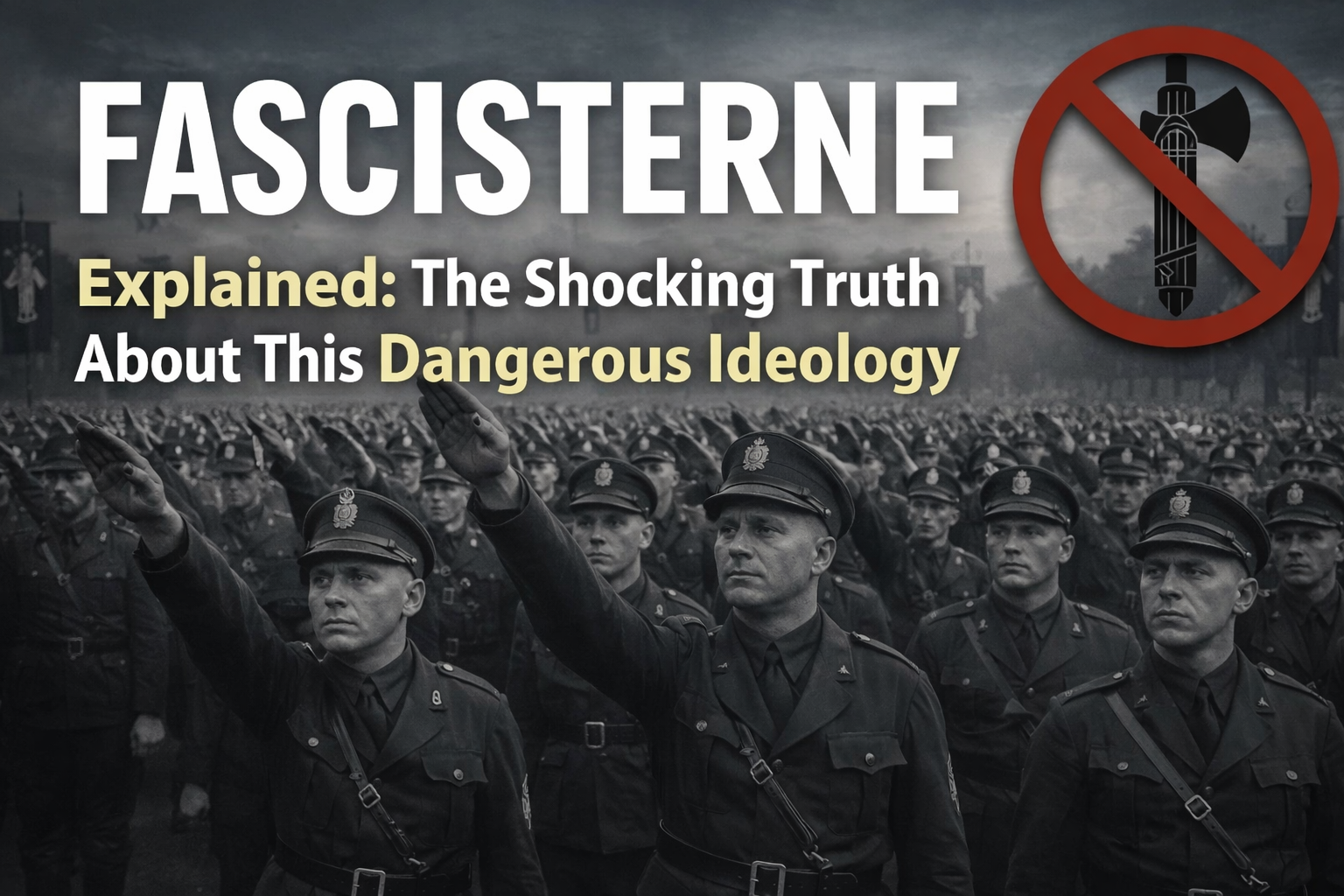
In recent times, the term Fascisterne has emerged in conversations, social media, and news reports, often accompanied by warnings and concerns. But what exactly is Fascisterne, and why is it considered dangerous? Understanding the facts surrounding this term is crucial for safeguarding oneself and making informed decisions. In this article, we will explore what Fascisterne is, its origins, potential risks, and the reasons why everyone should be aware of its dangers.
What Is Fascisterne?
Fascisterne is a relatively new term that has gained popularity in online communities and discussions. It is often associated with misinformation, conspiracy theories, or potentially harmful ideologies that spread quickly through social media platforms. Some sources suggest that Fascisterne could be a coded term or a nickname for a specific group or movement, but concrete evidence remains limited.
Despite the ambiguity surrounding its exact definition, what is clear is that Fascisterne is linked to activities or beliefs that promote division, misinformation, or potentially dangerous behaviors. The lack of transparency and the secretive nature of related groups or discussions make it a subject of concern for many.
The Origins and Spread
Fascisterne’s origins are difficult to trace definitively. It appears to have surfaced in online forums and social media threads, often as part of subcultures that thrive on anonymity and the sharing of controversial ideas. Some speculate that the term is used to evoke fear or to create a sense of mystery among followers.
The rapid spread of Fascisterne can be attributed to the power of social media algorithms, which amplify sensational or provocative content. This has led to increased exposure among vulnerable individuals, especially those seeking alternative narratives or feeling disenfranchised.
Why Is Fascisterne Considered Dangerous?
Although the full scope of Fascisterne remains unclear, several key reasons highlight why it is considered dangerous:
1. Promotion of Misinformation and Fake News
Fascisterne is often associated with the dissemination of false information. Misinformation can influence public opinion, promote conspiracy theories, and undermine trust in legitimate institutions. When individuals rely on inaccurate information, it can lead to harmful actions or beliefs.
2. Encouragement of Extremist Ideologies
Some discussions linked to Fascisterne contain elements of extremist thought. This can include racist, xenophobic, or violent ideologies that threaten social cohesion and promote hatred. Exposure to such ideas can radicalize individuals or incite violence.
3. Undermining Democratic Processes
By spreading propaganda or conspiracy theories, Fascisterne can erode democratic values. Misinformation campaigns aimed at discrediting elections, government agencies, or public health initiatives undermine societal stability and trust.
4. Potential for Violence and Harmful Actions
In extreme cases, the promotion of dangerous ideologies can motivate individuals to commit acts of violence or vandalism. Historical examples show that online radicalization can translate into real-world harm.
5. Targeting Vulnerable Populations
Fascisterne’s content often appeals to those feeling marginalized, alienated, or desperate. Exploiting these vulnerabilities can lead to increased susceptibility to harmful beliefs or behaviors.
How to Protect Yourself
Awareness is the first step in safeguarding against the dangers associated with Fascisterne. Here are some practical tips:
- Verify Information: Always cross-check facts from reputable sources before accepting or sharing information.
- Limit Exposure: Be cautious about engaging with content on platforms known for misinformation.
- Report Harmful Content: If you encounter dangerous or extremist content, report it to platform authorities.
- Educate Others: Share knowledge about misinformation and encourage critical thinking.
- Seek Support: If you or someone you know is drawn into harmful ideologies, seek help from mental health professionals or community organizations.
The Importance of Critical Thinking
In an age where information is abundant and easily accessible, developing critical thinking skills is essential. Question the source of information, analyze motives, and consider the evidence before forming opinions. Doing so can help prevent falling prey to dangerous narratives like those associated with Fascisterne.
Conclusion
While Fascisterne remains somewhat shrouded in mystery, the facts we do know point to a concerning trend of misinformation, extremism, and societal division. Understanding its potential dangers empowers individuals to stay vigilant and protect themselves and their communities. Always prioritize factual information, promote respectful dialogue, and stand against any form of hatred or violence. Through awareness and responsible behavior, we can help create a safer, more informed society.
