


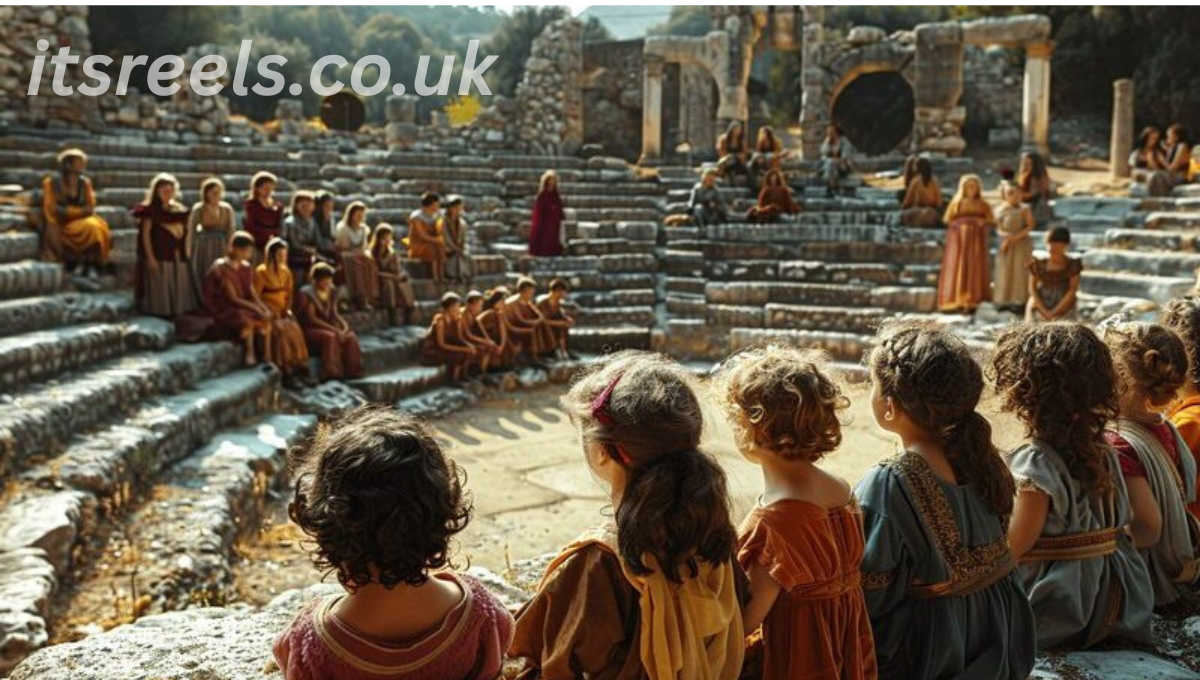
In the vast tapestry of world cultures, some traditions and communities remain hidden gems, waiting to be discovered and appreciated for their unique contributions to human history. Among these is the fascinating cultural group known as the Ciulioneros. Though not widely known on the global stage, their rich heritage, vibrant customs, and historical significance make them an invaluable part of our shared cultural mosaic. This article aims to uncover the depth of the Ciulioneros’ cultural legacy, exploring their origins, traditions, and the importance of preserving their heritage for future generations.
Origins and Historical Background
The origins of the Ciulioneros trace back centuries, rooted in a specific region where their community developed a distinct identity. Historically, they have been known for their resilience and adaptability, surviving upheavals, invasions, and cultural shifts. Their ancestors were often involved in agriculture, craftsmanship, and community-based activities that fostered close-knit social bonds.
While precise historical records may be scarce, oral traditions and archaeological findings suggest that the Ciulioneros played a significant role in their local ecosystems. Their ancestors were custodians of land and tradition, passing down knowledge through generations. Over time, their cultural practices evolved, but their core values of community, resilience, and respect for nature remained steadfast.
Cultural Traditions and Practices
The cultural heritage of the Ciulioneros is a tapestry woven with vibrant customs, rituals, and artistic expressions. Here are some key aspects of their cultural identity:
1. Language and Oral Tradition:
The Ciulioneros have preserved their native dialects and oral storytelling traditions, which serve as vital carriers of history, morality, and community values. These stories often feature mythical creatures, ancestral heroes, and lessons embedded in allegories.
2. Music and Dance:
Music plays a central role in their cultural expressions. Traditional instruments, rhythmic beats, and dance forms are integral to festivals, rites of passage, and communal celebrations. Their folk songs often narrate stories of love, heroism, and nature.
3. Festivals and Ceremonies:
Annual festivals mark significant moments in their calendar, celebrating harvests, religious events, and historical milestones. These festivals are characterized by colorful costumes, dance performances, traditional foods, and communal participation, reinforcing social bonds.
4. Crafts and Art:
The Ciulioneros are renowned for their craftsmanship—whether in textiles, pottery, or woodwork. Their artisanal products often feature intricate designs inspired by nature and ancestral symbols, reflecting their deep connection to their environment.
5. Traditional Clothing:
Their attire, often handmade from natural materials, is distinctive and symbolic. It signifies social status, regional identity, and participation in specific rituals.
Preservation and Challenges
Despite their rich cultural heritage, the Ciulioneros face numerous challenges in the modern era. Globalization, urbanization, and cultural assimilation threaten to dilute their traditions. Younger generations may drift toward mainstream cultures, risking the loss of their unique identity.
Efforts are underway by cultural preservationists, NGOs, and community leaders to safeguard their heritage. These initiatives include establishing cultural centers, promoting traditional arts, documenting oral histories, and encouraging cultural education among youth.
The Significance of the Ciulioneros’ Cultural Legacy
Understanding and appreciating the Ciulioneros’ heritage is not merely about honoring a community; it’s about recognizing the diversity that enriches human civilization. Their traditions offer insights into sustainable living, social cohesion, and the importance of cultural diversity.
Moreover, their resilience and adaptability serve as lessons for communities worldwide facing similar threats of cultural erosion. Preserving their legacy benefits global cultural heritage, fostering respect, understanding, and appreciation of different ways of life.
How You Can Support the Ciulioneros’ Heritage
Everyone can play a role in preserving and celebrating this rich cultural heritage:
- Learn and Share: Educate yourself and others about the Ciulioneros’ history and traditions.
- Support Cultural Initiatives: Contribute to organizations dedicated to cultural preservation.
- Promote Cultural Tourism: Visit regions where the Ciulioneros live and participate respectfully in their festivals and events.
- Document and Record: Help in documenting their stories, songs, and crafts for future generations.
Conclusion
The story of the Ciulioneros is a testament to the resilience of human culture and the importance of safeguarding our diverse cultural legacies. Their rich traditions, vibrant customs, and historical significance deserve recognition and respect. As we uncover and explore their heritage, we not only honor their community but also enrich our understanding of the world’s cultural mosaic. Let us continue to uncover, celebrate, and preserve such treasures for generations to come.
