



In an era where technological advancements are accelerating at an unprecedented pace, the focus is shifting from mere innovation to creating systems that prioritize human needs, well-being, and ethical considerations. One such groundbreaking concept is FREHF, a term that is rapidly gaining attention in the tech community and beyond. But what exactly is FREHF, and how does it promise to revolutionize the future of technology? In this article, we delve deep into the meaning of FREHF, its significance, and its potential to shape a more human-centered future.
What is FREHF?
FREHF stands for Future-Ready Human-centric Ecosystem of Human-Friendly Technology. While the acronym might seem complex, its core idea is simple yet profound: develop and implement technologies that are designed with human values at the forefront. Unlike traditional technological development that often prioritizes speed, profit, or raw capability, FREHF emphasizes creating systems that are safe, ethical, accessible, and beneficial to humanity as a whole.
At its core, FREHF advocates for a paradigm shift—from technology for technology’s sake to technology for human betterment. This involves integrating human-centric principles into AI, IoT, robotics, healthcare, education, and every facet of innovation.
The Need for a Human-Centered Approach
Before exploring how FREHF is transforming technology, it’s essential to understand why this shift is necessary:
- Ethical Concerns: As AI and automation become more prevalent, issues around privacy, bias, and decision-making transparency have come to the forefront.
- Technological Displacement: Rapid automation threatens jobs and economic stability, prompting the need for solutions that support human workers.
- Mental and Physical Well-being: Technological overreach can lead to social isolation, mental health issues, and physical health concerns.
- Accessibility and Inclusivity: Many innovations remain inaccessible to marginalized communities, widening societal gaps.
FREHF aims to address these challenges by ensuring that technology enhances human life rather than detracts from it.
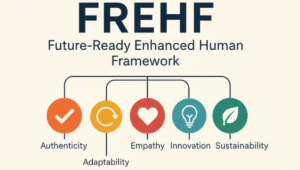
Core Principles of FREHF
- Human-Centric Design: Technology must serve human needs, values, and ethics. User experience and accessibility are prioritized to ensure inclusivity.
- Ethical Innovation: Developing systems that respect privacy, promote fairness, and are transparent in decision-making processes.
- Sustainability: Creating solutions that are environmentally responsible and promote long-term ecological balance.
- Collaboration and Inclusivity: Encouraging diverse voices in the design and implementation of technologies to avoid biases and ensure broad benefits.
- Adaptability: Designing systems that evolve with societal values and technological advancements, ensuring relevance and safety over time.
How FREHF is Transforming Key Sectors
1. Artificial Intelligence and Machine Learning
FREHF emphasizes developing AI systems that are transparent, explainable, and aligned with human values. Instead of black-box models, AI should be understandable and controllable by humans, reducing biases and preventing misuse.
2. Healthcare Technologies
Human-friendly health tech focuses on personalized, accessible, and ethical care. Wearable devices and telemedicine platforms under FREHF principles aim to improve health outcomes while respecting patient privacy and autonomy.
3. Education and Learning
Educational tools designed with FREHF principles promote equitable access, personalized learning experiences, and foster critical thinking. These systems adapt to individual needs, ensuring no learner is left behind.
4. Smart Cities and IoT
FREHF guides the development of smart infrastructure that prioritizes safety, privacy, and sustainability. Urban planning integrates human needs, reducing environmental impact and enhancing quality of life.
5. Robotics and Automation
Robots and automated systems designed with human-centered principles support not just efficiency but also safety and emotional well-being, especially in caregiving and service roles.
The Challenges of Implementing FREHF
While the vision of a human-centered technological future is inspiring, it faces several hurdles:
- Balancing Innovation and Ethics: Rapid technological progress can outpace ethical guidelines, requiring continuous oversight.
- Economic and Political Barriers: Implementing FREHF principles may involve significant investment and policy changes.
- Global Disparities: Ensuring that human-friendly technology benefits all nations and societies equally remains a challenge.
- Technical Limitations: Developing truly ethical and human-centric AI and systems demands advanced research and innovation.
The Future of FREHF
The journey toward a FREHF-aligned future is ongoing. As awareness grows, more organizations, governments, and communities are adopting principles that prioritize human welfare in technological development. Initiatives like ethical AI frameworks, inclusive design standards, and sustainability commitments are paving the way.
Emerging technologies such as explainable AI, biometric privacy solutions, and participatory design processes are concrete steps toward actualizing FREHF ideals.
Conclusion
FREHF represents a visionary approach to technology—one that places human dignity, safety, and well-being at the center of innovation. By adhering to its core principles, society can harness the power of technology to create a future that is not only advanced but also compassionate, inclusive, and sustainable.
As we stand at the cusp of this transformative era, embracing FREHF principles is essential for ensuring that technological progress benefits all of humanity. The future of human-centered technology is bright, promising a world where innovation and ethics walk hand in hand toward a better tomorrow.
