


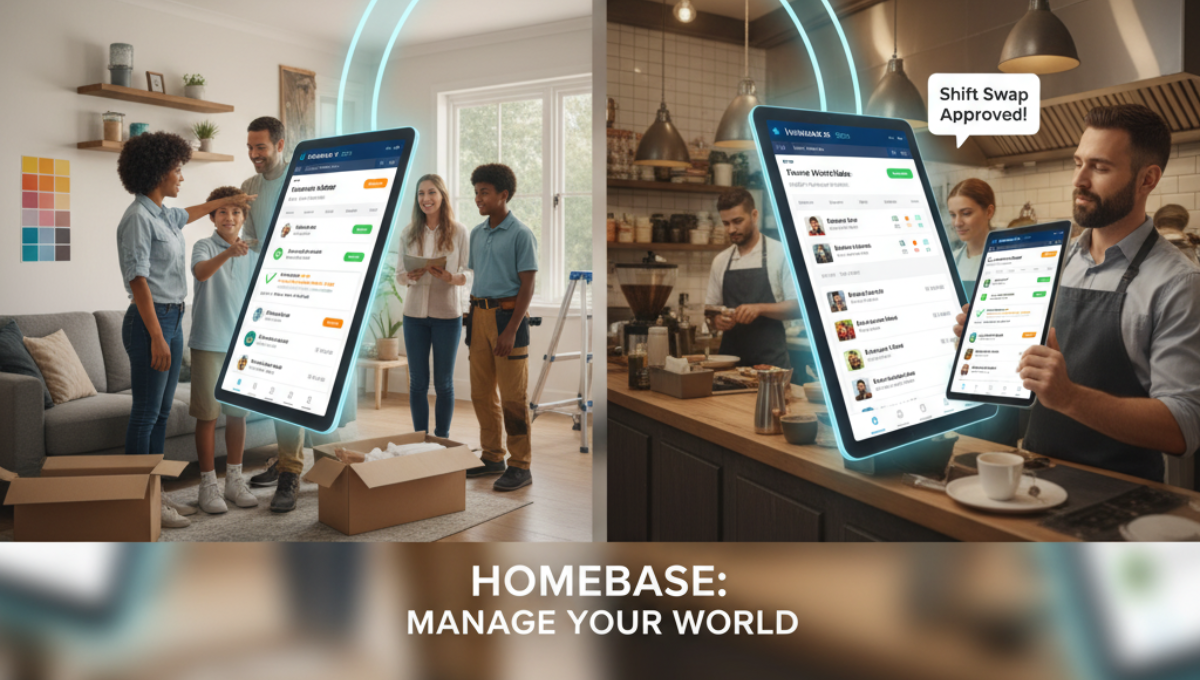
In today’s fast-paced world, managing your home and small business projects efficiently can be a daunting task. Whether you’re a DIY enthusiast, a small business owner, or someone looking to organize your home space better, having the right tools and resources is crucial. One platform that has gained popularity for its comprehensive project management and team collaboration features is Homebase. This guide aims to provide an in-depth overview of Homebase, explaining what it is, how to get started, and how to maximize its benefits for your needs.
What Is Homebase?
Homebase is a versatile workforce management platform designed primarily for small to medium-sized businesses, but its features are equally beneficial for individuals managing multiple projects or teams. It offers tools for employee scheduling, time tracking, payroll, team communication, and task management—all integrated into a single, user-friendly interface.
For homeowners or freelancers, Homebase can also serve as a personal organizer to plan tasks, track hours, and coordinate with team members or contractors. Its flexibility, ease of use, and powerful features make it a valuable resource whether you’re running a business or managing home projects.
Why Use Homebase?
- Streamlined Scheduling: Easily create, modify, and share work schedules.
- Time and Attendance Tracking: Automate clock-ins, clock-outs, and timesheets.
- Payroll Integration: Simplify payroll processing with automated calculations.
- Team Communication: Keep everyone on the same page with built-in messaging.
- Task Management: Assign and monitor project tasks and deadlines.
- Accessibility: Use the platform via web or mobile, ensuring access on the go.
Getting Started with Homebase
Embarking on your Homebase journey is straightforward. Here’s a step-by-step guide to help you set up and start using Homebase effectively:
1. Sign Up and Create Your Account
- Visit the Homebase Website: Go to homebase.io.
- Choose Your Plan: Homebase offers free plans with basic features and paid plans for more advanced functionalities. Select the plan that suits your needs.
- Register Your Business or Personal Profile: Enter your email, create a password, and provide basic information about your business or project.
2. Set Up Your Organization
- Add Your Team Members: Invite employees, contractors, or collaborators via email. They will receive an invitation to join your Homebase account.
- Assign Roles and Permissions: Define roles such as manager, employee, or freelancer to control access levels.
3. Input Employee Details
- Enter Employee Data: Name, contact information, pay rate, scheduled hours, and other relevant details.
- Set Up Pay Schedules: Decide on pay periods—weekly, bi-weekly, etc.
4. Create Your First Schedule
- Build Shifts: Use the drag-and-drop interface to assign shifts to team members.
- Publish and Share: Once finalized, publish the schedule and notify your team via email or mobile app.
5. Track Time and Attendance
- Enable Time Clocks: Employees can clock in and out via the app or web portal.
- Monitor Hours: Review timesheets and attendance logs in real-time for accuracy.
6. Manage Payroll and Payments
- Integrate Payroll: Connect Homebase with your payroll provider or export timesheets for manual processing.
- Automate Payments: Some plans offer direct deposit features, simplifying employee payments.
7. Enhance Communication and Collaboration
- Use Messaging Features: Send updates, reminders, or instructions directly within the platform.
- Share Files and Notes: Attach documents or notes relevant to specific projects or shifts.
Tips for Maximizing Homebase
- Regularly Update Your Schedule: Keep your schedule current to avoid confusion.
- Leverage Mobile Apps: Use the Homebase app for on-the-go management and communication.
- Set Up Notifications: Enable alerts for shift changes, clock-in/out, and reminders.
- Use Reports and Analytics: Review attendance, labor costs, and productivity data to optimize operations.
- Train Your Team: Ensure everyone understands how to use the platform effectively.
Common Use Cases for Homebase
- Small Retail or Hospitality Businesses: Manage staff rotas, track hours, and handle payroll seamlessly.
- Construction or Service Contractors: Coordinate teams across multiple sites and projects.
- Home Improvement or Renovation Projects: Organize subcontractors, schedule work, and communicate updates.
- Homeowners and DIY Enthusiasts: Plan projects, assign tasks, and keep track of progress with family or helpers.
Troubleshooting and Support
Homebase offers comprehensive support resources:
- Help Center: Extensive articles, FAQs, and tutorials.
- Customer Support: Contact via chat, email, or phone for personalized assistance.
- Community Forums: Engage with other users for tips and best practices.
Final Thoughts
Getting started with Homebase is a smart move for anyone looking to streamline project management, improve team coordination, or organize home projects effectively. Its intuitive interface, robust features, and flexibility make it a valuable tool whether you’re running a business or managing personal endeavors.
By following the steps outlined in this guide and leveraging Homebase’s features to their fullest, you’ll be well on your way to enhancing productivity, reducing stress, and achieving your goals more efficiently.
