


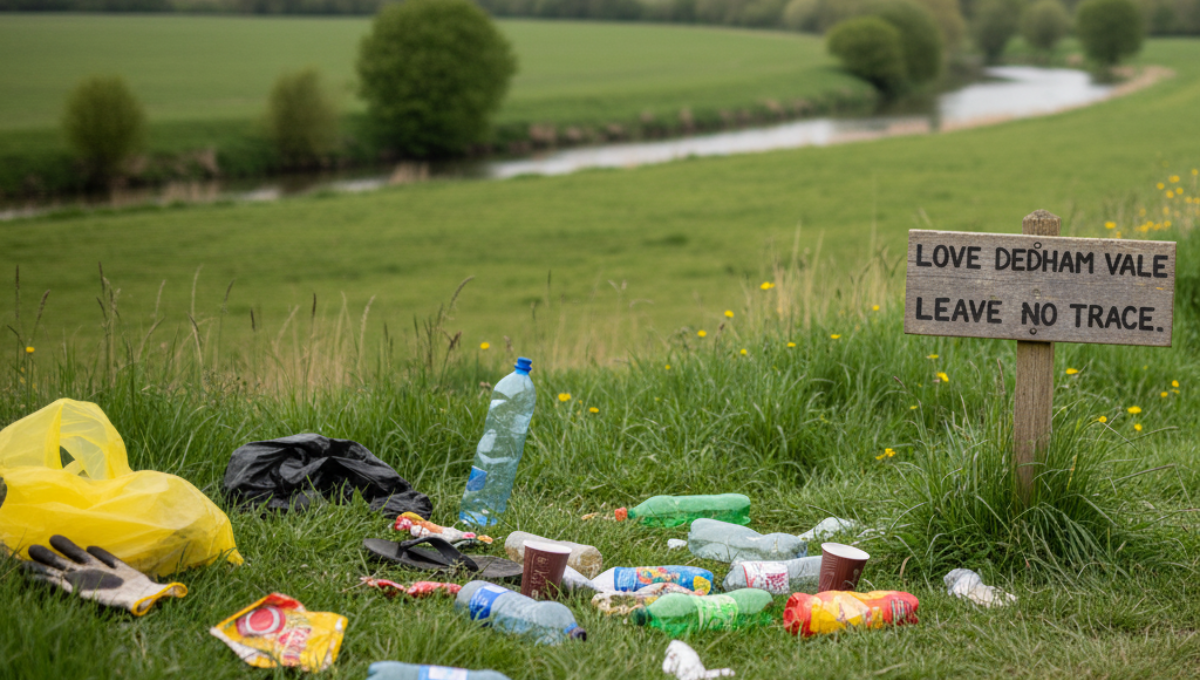
Dedham Vale, often celebrated for its picturesque landscapes, rolling hills, and rich biodiversity, is a treasured natural area that attracts countless visitors each year. However, in recent times, this idyllic scenery has faced a growing threat: littering. The rising problem of litter in Dedham Vale not only tarnishes its natural beauty but also poses serious environmental and ecological risks. Understanding the causes, evaluating the impact, and exploring effective solutions are crucial steps toward preserving this cherished landscape for future generations.
Causes of Littering in Dedham Vale
Several factors contribute to the increasing litter problem in Dedham Vale, reflecting broader societal behaviors and local dynamics:
1. Increased Visitor Numbers
As a popular tourist destination, Dedham Vale experiences a surge in visitors, especially during weekends and holiday seasons. Often, visitors neglect to dispose of their waste properly, leading to an accumulation of litter along trails, picnic areas, and scenic viewpoints.
2. Lack of Adequate Waste Disposal Facilities
In some parts of Dedham Vale, there is a shortage of sufficient waste bins or they are not conveniently located. This discourages proper disposal and encourages littering, especially among visitors who may not carry their waste with them.
3. Negligence and Lack of Awareness
Some individuals lack awareness about the environmental impact of littering or simply choose convenience over responsibility. This includes leaving behind food wrappers, bottles, cigarette butts, and other refuse.
4. Social and Cultural Factors
In certain communities or groups, littering might be perceived as an insignificant act or a norm, which perpetuates the cycle of careless disposal of waste.
5. Lack of Enforcement
Limited enforcement of anti-littering laws or penalties may embolden some to litter without fear of repercussions, especially in less monitored areas.
Impact of Littering on Dedham Vale
Littering in Dedham Vale has far-reaching consequences that threaten the environment, wildlife, and local community:
1. Environmental Degradation
Litter can take years to decompose, especially plastics, which persist in the environment. This pollution contaminates soil and waterways, disrupting natural cycles and harming plant life.
2. Threat to Wildlife
Animals such as birds, foxes, and aquatic creatures often mistake litter for food, leading to injury or death. Sharp objects can cause physical harm, while ingesting plastic can be fatal.
3. Aesthetic Deterioration
Litter diminishes the visual appeal of Dedham Vale, discouraging tourism and local enjoyment. The scenic landscapes become marred by discarded waste, reducing community pride.
4. Economic Impact
The costs associated with cleaning up littered areas can be significant for local authorities. Additionally, a decline in the area’s natural beauty may impact tourism revenue.
5. Health Hazards
Litter can attract pests and foster the growth of bacteria, posing health risks to visitors and residents alike.
Solutions to Combat Littering in Dedham Vale
Addressing the rising litter problem requires a multifaceted approach involving community engagement, enforcement, education, and infrastructure improvements:
1. Enhancing Waste Disposal Facilities
- Increase the number of strategically placed waste bins and recycling stations.
- Ensure bins are clearly marked and regularly emptied to prevent overflow.
2. Community Engagement and Education
- Launch awareness campaigns highlighting the environmental impact of littering.
- Organize educational programs in schools and local communities to foster a culture of responsibility.
- Promote “Leave No Trace” principles among visitors.
3. Organizing Community Clean-Ups
- Encourage local residents, volunteers, and organizations to participate in regular cleanup events.
- Partner with environmental groups to maintain cleanliness and raise awareness.
4. Strengthening Laws and Enforcement
- Implement stricter penalties for littering through local ordinances.
- Increase patrols and surveillance in problem areas to deter offenders.
- Use signage to remind visitors of the legal and environmental consequences.
5. Promoting Responsible Tourism
- Inform visitors about the importance of responsible disposal of waste.
- Provide biodegradable or compostable alternatives for picnic and outdoor activities.
6. Utilizing Technology
- Install CCTV cameras in high-litter zones for monitoring.
- Use social media platforms to promote anti-littering messages and organize community initiatives.
Conclusion
Littering in Dedham Vale is a pressing issue that threatens its natural beauty and ecological integrity. While the causes are varied—from increased footfall to inadequate facilities—effective solutions hinge on collective responsibility. By enhancing infrastructure, educating the public, enforcing laws, and fostering community involvement, Dedham Vale can combat littering and restore its pristine condition. Protecting this treasured landscape ensures it remains a source of joy, inspiration, and ecological bounty for generations to come.
