


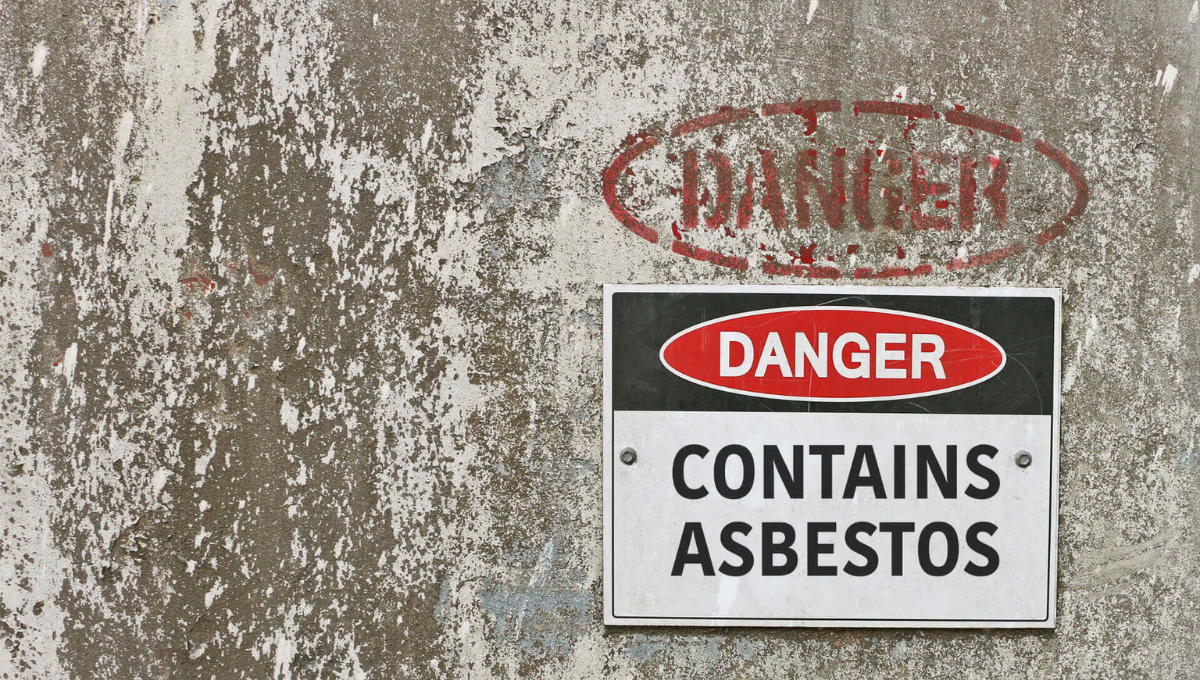
When it comes to maintaining a safe and healthy home, understanding potential hazards is essential. One often overlooked threat is asbestlint—the tiny, fibrous residue that can accumulate in laundry lint when asbestos-containing materials are present in your home. Despite its seemingly harmless appearance, asbestlint poses significant health risks that every homeowner must be aware of.
What Is Asbestlint?
Asbestlint is the collection of asbestos fibers that become airborne and settle into lint traps during laundry. Homes built with older materials—such as insulation, roofing, or flooring containing asbestos—can release microscopic fibers into the air when disturbed. These fibers attach to clothing and linens, creating a hidden danger in everyday chores.
Why Is Asbestlint Dangerous?
1. Inhalation of Toxic Fibers
The primary health concern with asbestlint lies in inhalation. When asbestos fibers are disturbed and become airborne, they can be inhaled deeply into the lungs. Because these fibers are microscopic, they can evade the body’s natural defenses, lodging in lung tissue.
2. Chronic Lung Diseases
Long-term exposure to asbestos fibers is linked to serious respiratory diseases, including asbestosis—a chronic lung condition causing scarring of lung tissue—and plaques or thickening of the lung lining. These conditions can severely impair breathing and quality of life.
3. Increased Cancer Risk
The most alarming risk associated with asbestos exposure is its carcinogenic potential. Asbestos fibers are proven to cause mesothelioma, a rare but aggressive form of lung cancer, as well as other forms of respiratory and gastrointestinal cancers.
How Does Asbestlint End Up in Your Home?
Asbestos was widely used in building materials until its ban in many countries in the late 20th century. Common sources include:
- Insulation around pipes and boilers
- Ceiling and floor tiles
- Roofing shingles
- Wall and ceiling textures
- Old textured paints
When these materials degrade or are disturbed during renovation or deterioration, fibers can become airborne and settle into lint during laundry routines.
Protecting Yourself and Your Family
1. Identify Potential Sources
If your home was built before the 1980s, it’s wise to have an asbestos assessment performed by professionals. They can identify and safely remove or encapsulate hazardous materials.
2. Proper Laundry Practices
- Use high-efficiency particulate air (HEPA) filters in your dryer to trap airborne fibers.
- Avoid drying contaminated clothing with other household laundry.
- Wash potentially contaminated clothing separately in a well-ventilated area or professional laundry service.
3. Regular Maintenance and Inspection
Inspect your home for signs of asbestos deterioration, such as crumbling materials or dust. Promptly address issues by hiring licensed asbestos abatement professionals.
4. Educate Yourself
Stay informed about the materials used in your home’s construction and the risks associated with asbestos. Awareness is the first step toward prevention.
Final Thoughts
While asbestos-containing materials can be hidden hazards, understanding the risks associated with asbestlint is crucial for homeowner safety. By taking proactive measures—identifying potential sources, practicing safe laundry habits, and seeking professional help—you can significantly reduce the danger posed by asbestos fibers in your home.
Remember: When in doubt, always consult certified asbestos specialists. Prioritizing safety today can prevent serious health issues tomorrow.
